
Independent Advice on Hearing Aids and other devices
At Pittwater Hearing, our focus is on advising each individual on what is the best device to assist them in improving their hearing. This may be a hearing aid, a cochlear implant, a bone anchored device, or assistive listening device. The best device for you will depend on the level of hearing loss, the type of hearing loss, your listening goals and lifestyle. For those clients unable to make it to our clinic easily, this advice can often be provided over skype or face time, if all the audiological information is already obtained.
Some of the commonly asked questions about hearing aids are answered on our news page, or you can contact us for more information
There are a number of ways that our Audiologists can help you to improve your hearing:
Communication Strategies: There are strategies and tactics that can be used to minimize the impact of hearing loss on speech understanding. An audiologist can advise you on the best strategies or tactics for your hearing loss and the situations that you find difficult. These can be taught in 1:1 or group sessions.
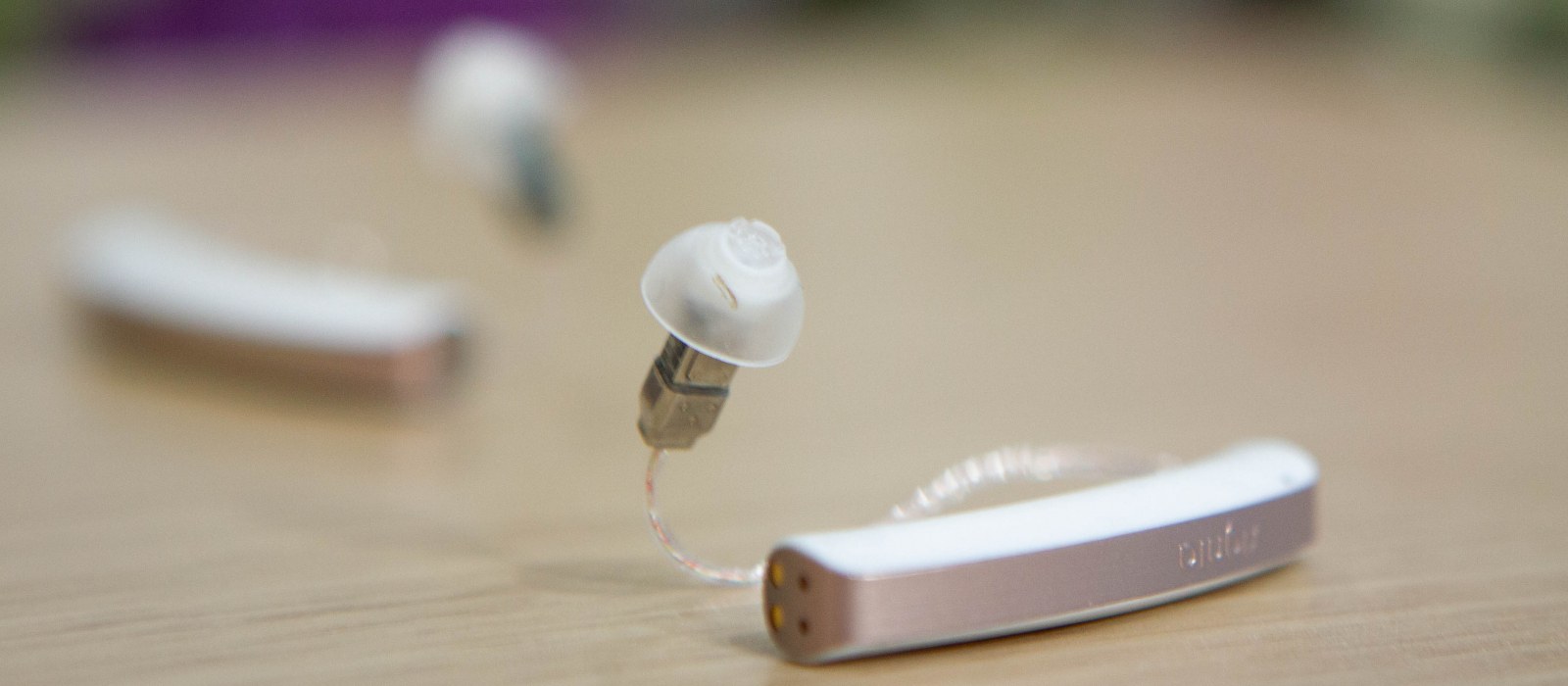
Hearing Aids

5 Reasons to Choose Pittwater Hearing for Your Hearing Aids
Your hearing is unique. Your lifestyle is unique. Your hearing aids should be too.
Choosing hearing aids shouldn’t be about finding the best hearing aid on the market. It should be about finding the best hearing solution for you.
At Pittwater Hearing, we take a different approach. Rather than starting with a particular brand or device, we start with you — your hearing, your lifestyle, the people you want to hear, and the situations where hearing matters most.
We call this our Listening Success approach.
Here are five reasons why choosing Pittwater Hearing can make a difference.
1. We don’t fit you to a brand — we find the right technology for you
Pittwater Hearing is independent and fits hearing aids from all the major manufacturers including Signia, Starkey, Oticon, Phonak, Unitron, Resound and Beltone.
That gives us something very important: choice.
Different hearing aid manufacturers take different approaches to speech clarity, hearing in background noise, connectivity, rechargeability, comfort and automatic sound processing. There isn’t one brand that is best for everyone.
Because we aren’t restricted to a single manufacturer, we can compare the technologies that are genuinely suitable for you and provide tailored, independent advice about which device is most appropriate for your needs.
Our starting point isn’t, “Which hearing aid do we sell?”
It’s “What do you need your hearing aids to do for you?”
2. We discover what “better hearing” actually means to you
Hearing loss isn’t just about the numbers on a hearing test.
Perhaps you struggle to follow conversations in restaurants. Maybe you find family gatherings exhausting. Perhaps you want to hear your grandchildren more clearly, participate confidently in meetings or enjoy television without constantly adjusting the volume.
These situations matter.
We take the time to understand your individual listening goals and use them to guide our recommendations.
That’s what makes our approach personal: your hearing aids are selected around your life, rather than your life being expected to fit around your hearing aids.
3. We focus on Listening Success — not simply fitting hearing aids
Putting hearing aids in your ears is only the beginning.
Successful hearing depends on how your hearing aids work, how they are programmed, how you use them and how your brain adapts to hearing with amplification.
That’s why our care can extend beyond the technology itself. We can provide practical listening strategies, rehabilitation and auditory training where appropriate, helping you get the greatest possible benefit from your hearing.
Our goal is not simply to give you better hearing aids. It’s to help you achieve better hearing.
4. Your hearing journey is personalised
There is no “one-size-fits-all” approach to hearing care.
Your hearing aids may need fine-tuning as you become accustomed to them and as we learn more about the environments in which you use them.
We listen to your feedback, make adjustments and provide ongoing support.
Because successful hearing isn’t achieved in one appointment. It’s a journey — and we’re here to support you along the way.
5. You get an audiologist who is on your side
Buying hearing aids can be a significant investment, and with so many technologies available, choosing can feel overwhelming.
You don’t need to become an expert in hearing aids.
That’s our job.
We explain the differences between suitable options, translate complicated technology into plain English and give you honest advice about which features are likely to make a meaningful difference to your life.
And because we are independent, our advice isn’t limited to one manufacturer’s products.
Your hearing. Your lifestyle. Your choice.
Our role is to understand what matters to you, assess the technology available from the major manufacturers, and create a personalised hearing solution designed around your individual needs.
That’s Listening Success at Pittwater Hearing.
Not hearing aids for everyone.
Hearing care designed for you.
Cochlear Implants:
A cochlear implant consists of 2 parts:
 An implant that is surgically inserted into the cochlear to substitute for the damaged inner ear hair cells, and an external speech processor that picks up sounds and transmits them to the implant.

Cochlear implants provide better speech understanding than hearing aids for most clients with a severe to profound hearing loss. The sound is less natural than hearing aid sound (most clients say that at first, it just sounds like buzzes and beeps), but provides better access to soft and high frequency sound for clients who’s hearing is so bad that it the amplification provided by a hearing aid isn’t enough. The process for learning to use a cochlear implant is much slower than for hearing aids, and regular appointments for adjustments are required with your Audiologist. Regular rehabilitation and mapping results in a significant improvement in speech understanding for most clients.
If you find that with your hearing aids on, you have trouble following conversation in quiet or on the phone, then an assessment for a Cochlear Implant is recommended. Cochlear implants are also suitable for most clients who are deaf in one ear (single sided deafness).

These are a type of hearing aid that is surgically inserted into the bone behind the ear. Like a cochlear implant, there is an external processor that picks up sound to send to the conductor. These devices are most suitable for clients with a conductive hearing loss who are unable to wear a conventional hearing aid.
Bone anchored devices can also be worn on a soft band or “sound arc” on a trial basis, or longer term if surgical options are not suitable.
Assistive listening devices: These are devices designed to help with one specific hearing problem, such as hearing the TV, hearing on the phone, hearing at meetings or hearing a smoke alarm. If you don’t want to commit to wearing a hearing aid, or if you only have trouble hearing in one specific environment, then you may just need one of these simple devices.
So many options! The audiologist at Pittwater Hearing can advise you as to which options are suitable for you. Book an appointment today for a full hearing assessment and hearing solution consultation.